The FGC 2026 EMEA qualifier reaches its decisive bracket phase on October 4. The published schedule includes upper semifinals, an upper final, multiple lower rounds, a lower final and a grand final. Participant names and exact match times were still shown as TBD when checked, so the confirmed news is the progression of the competition rather than an unverified team result.
The qualifier is listed across October 3-5, with the first day containing the early upper and lower rounds. The October 4 schedule narrows that field through both sides of the bracket. Teams remaining in the upper route retain a safety margin, while lower-bracket participants face immediate elimination in every series.
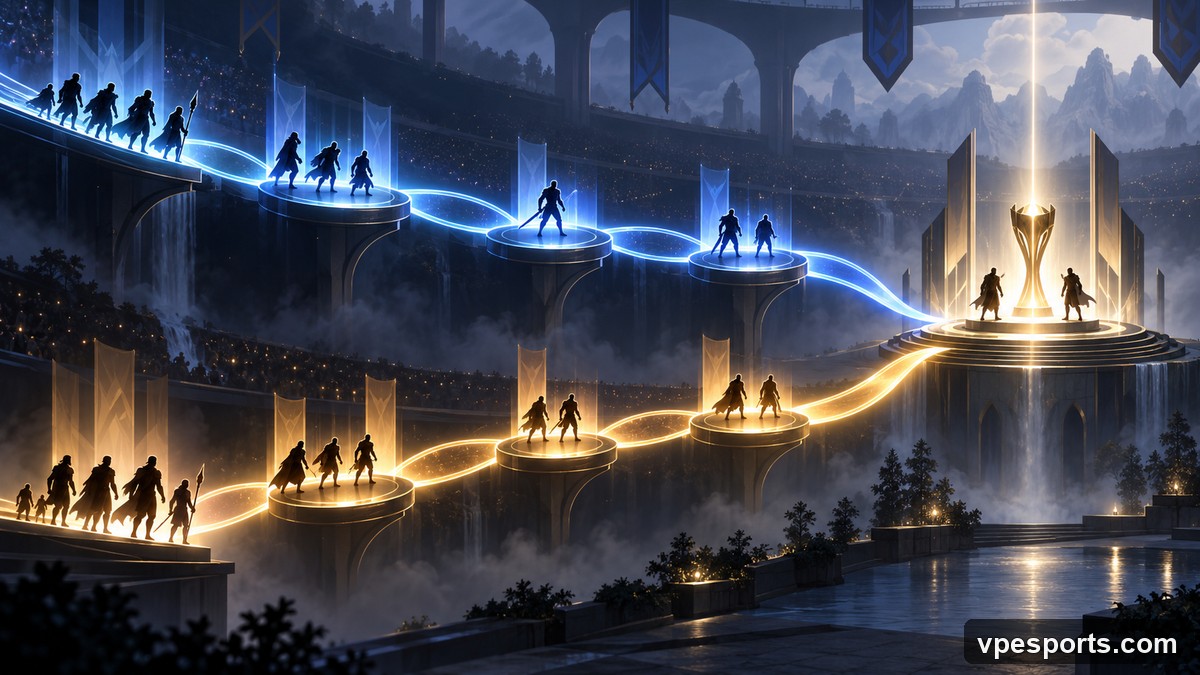
Two upper semifinals determine which teams move toward the upper final. The lower side contains rounds three, four and five before its own final, creating a longer route for any roster that has already lost. That format places different demands on preparation even when every participant is pursuing the same qualifying outcome.
Because the event listing still uses TBD placeholders, attaching a name to a stage would go beyond the verified information. Live qualifiers can also receive delayed bracket updates or administrative changes. A careful preview can explain the structure and stakes without presenting a team as qualified before the organizer’s record confirms it.
The lower route demands repeated adaptation
A team in the upper bracket can prepare for fewer immediate opponents and still survive one loss. A lower-bracket roster must solve a new matchup, recover mentally and preserve useful material for another elimination series. The schedule therefore tests depth as much as a single preferred map.
Repeated rounds can expose composition habits. If a team relies on the same opening pattern in every best-of series, later opponents receive a growing library of examples. Successful lower-bracket runs usually require stable fundamentals combined with enough variation to stop scouting from becoming a complete answer.
The upper final offers the shortest path to the last match. Its loser receives another opportunity through the lower final, while its winner can observe the surviving opponent before the grand final. That advantage is meaningful, but it does not decide the final automatically; additional rest must still be converted into an accurate veto and match plan.
The page lists no prize money for this qualifier. Coverage should not invent a cash reward or merge the qualifier with a separate tournament purse. The immediate value lies in advancement through the FGC competition structure, with the exact downstream placement confirmed by the organizer’s updated bracket.
The absence of published times in the checked listing also limits scheduling claims. Readers should return to the live event page for finalized start times instead of relying on an estimate based on the number of rounds. Tournament delays are especially possible when many elimination matches share one day.
The October 3-5 date range means the calendar extends beyond the main set of October 4 bracket entries. That should be treated as the authoritative event window even if the visible match list concentrates the decisive rounds on one date. A schedule update may clarify remaining activity.
Verification matters in an open qualifier
Open qualifiers produce results quickly, but speed does not remove the need for confirmation. Screenshots, player posts and community bracket copies can appear before the central event page updates. They are useful leads, not substitutes for a verified result when a team name is still marked TBD.
The safest reporting sequence is to record the confirmed bracket stage, wait for the completed match entry and then verify both opponent and score before describing qualification. That prevents a forfeited map, administrative reversal or delayed result from becoming a false headline.
For readers following the event, the key signals are the two upper semifinal winners, the roster surviving the extended lower path and the final pairing. Those updates will turn the current structural preview into confirmed competitive outcomes once the official listing replaces its placeholders.

The FGC EMEA qualifier enters its most demanding bracket phase on October 4, with upper and lower routes converging on the final. The structure is confirmed, but participants and start times were still unresolved in the checked schedule. Reporting those elements only after the official update preserves accuracy during a fast-moving qualifier.