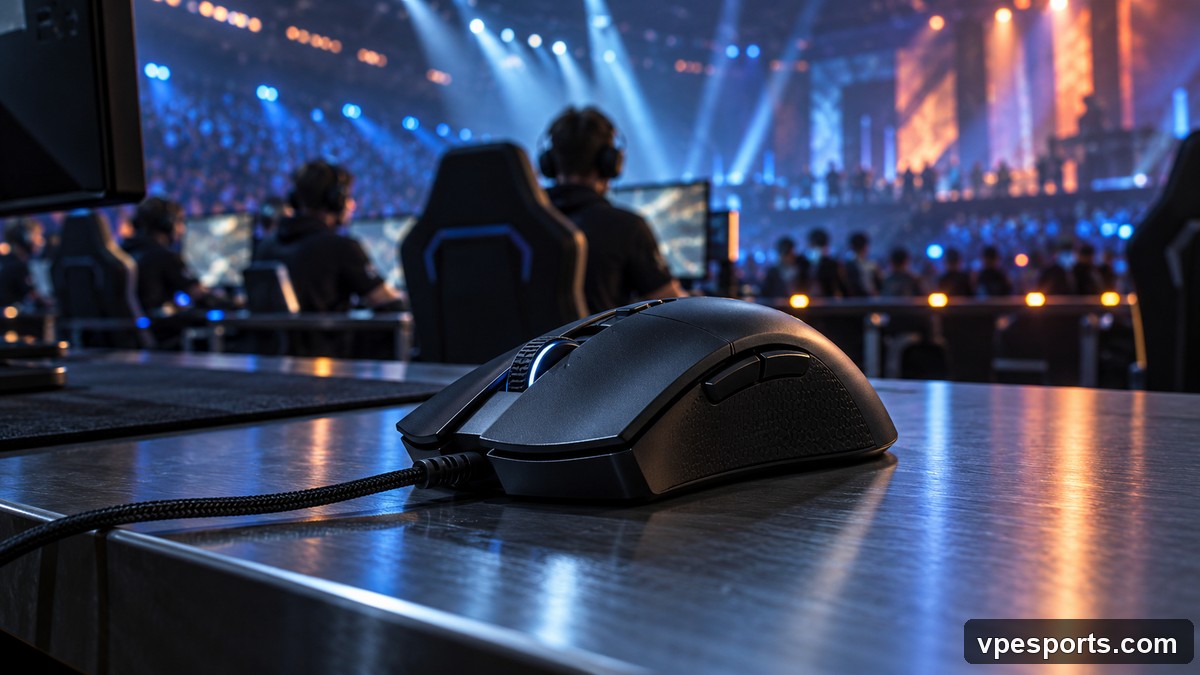
Riot has asked Champions Shanghai players to use wired mice after repeated wireless interference caused technical pauses during the tournament. The issue was linked to the event’s metal-surface desks. Riot also acknowledged that officials should have stopped and rolled back a round in which FUT player xeus could not fire during the series against 100 Thieves.
Modern wireless mice normally provide performance suitable for professional competition, so the temporary change is not a general judgment against the technology. The reported problem concerns the relationship between the tournament hardware and the playing environment. Metal surfaces can disrupt the signal conditions around a wireless device, creating failures that may not appear in a standard practice setup.
Repeated interference is especially serious in VALORANT because a short input failure can decide an engagement before an official has time to understand what happened. A player who cannot fire is not merely experiencing a cosmetic problem. The failure affects the competitive action itself, which is why the timing of a pause and the availability of a rollback matter.
The xeus incident gave the issue a visible competitive example. During FUT’s match against 100 Thieves, the player was unable to shoot. Riot later concluded that the round should have been rolled back. 100 Thieves won the series 2-0, but the equipment review concerns the handling of the affected round rather than a retroactive change to the published match result.
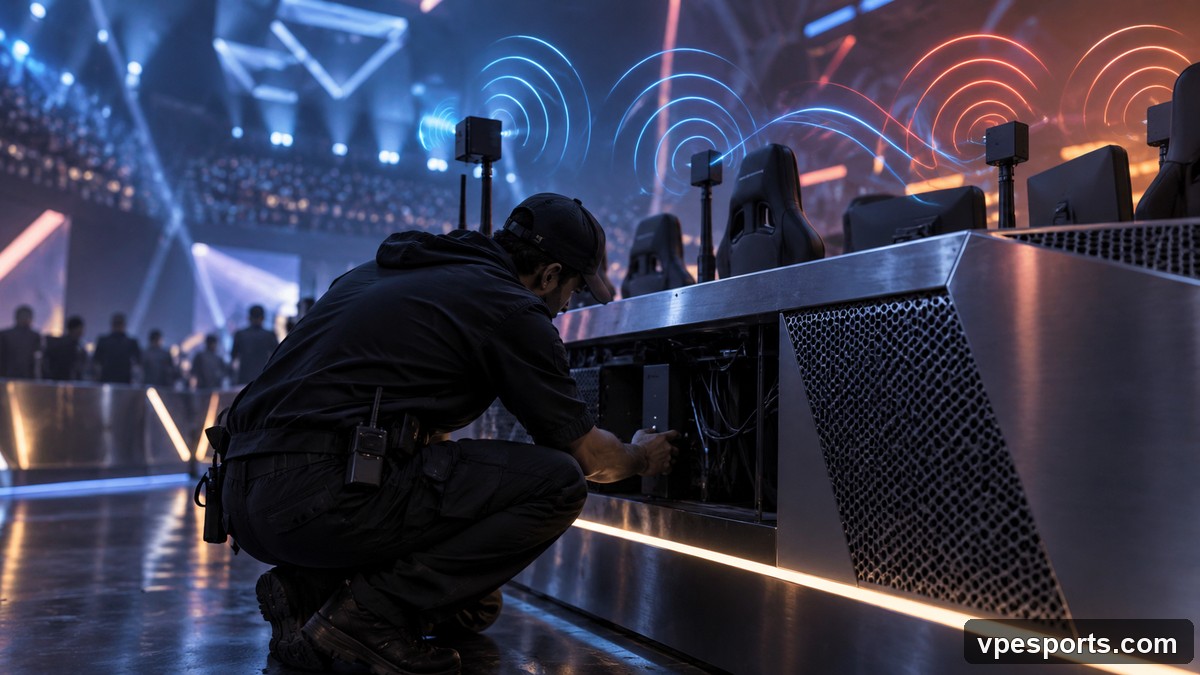
A wired connection removes the disputed link
The immediate solution is operationally simple: players must switch to wired mice until Riot fixes the underlying issue. A cable removes the wireless signal path that the metal desks were reported to disturb. That does not repair every possible peripheral failure, but it directly addresses the cause identified in the tournament statement.
Changing equipment at a world championship still requires care. Professionals build muscle memory around shape, weight, sensitivity and cable behavior. If players can connect familiar hardware by wire, the disruption may be limited. If a replacement model is required, practice time and consistent setup checks become more important before the next official series.
Tournament staff also need a clear response when a fault appears. Riot said officials should have paused immediately and allowed the rollback in the xeus round. That admission separates two responsibilities: preventing the known interference through equipment policy and responding correctly if a technical failure happens despite the preventive step.
The decision arrives during the most important VALORANT tournament of the year, where repeated pauses affect players, broadcast timing and confidence in competitive integrity. A temporary wired policy is therefore a proportionate containment measure while the event continues. It removes a known risk without waiting for a permanent desk or signal redesign.
The public explanation is also important because it tells players and viewers that the pauses had a concrete technical cause. Without that detail, repeated stoppages can generate speculation about computers, software or individual peripherals. Identifying the desk interaction narrows the problem and makes the chosen response understandable.
The incident does not show that every wireless mouse will fail on every metal desk. It shows that the Shanghai configuration produced repeated interference significant enough for Riot to change tournament procedure. The safest reporting keeps that scope intact rather than turning one venue-specific issue into a universal claim about wireless equipment.
Competitive integrity depends on the response
Equipment failures cannot always be predicted, but organizers can reduce their impact through tested backups, rapid pauses and consistent rollback criteria. The xeus review matters because Riot acknowledged that the correct remedy was available and should have been used. That creates a clearer standard for any comparable incident later in the event.
Players now know which connection method is expected, officials know the failure pattern to watch for and teams can include cable management in their stage preparation. Those practical steps are less dramatic than a hardware redesign, yet they directly reduce the chance that another round is played while a competitor lacks a functioning input.
The longer-term fix has not been described in the checked report. Riot’s confirmed position is the temporary wired requirement until the issue is resolved. Any claim about replacing the desks, changing vendors or restoring wireless play on a specific date would go beyond the available statement and should wait for an official update.
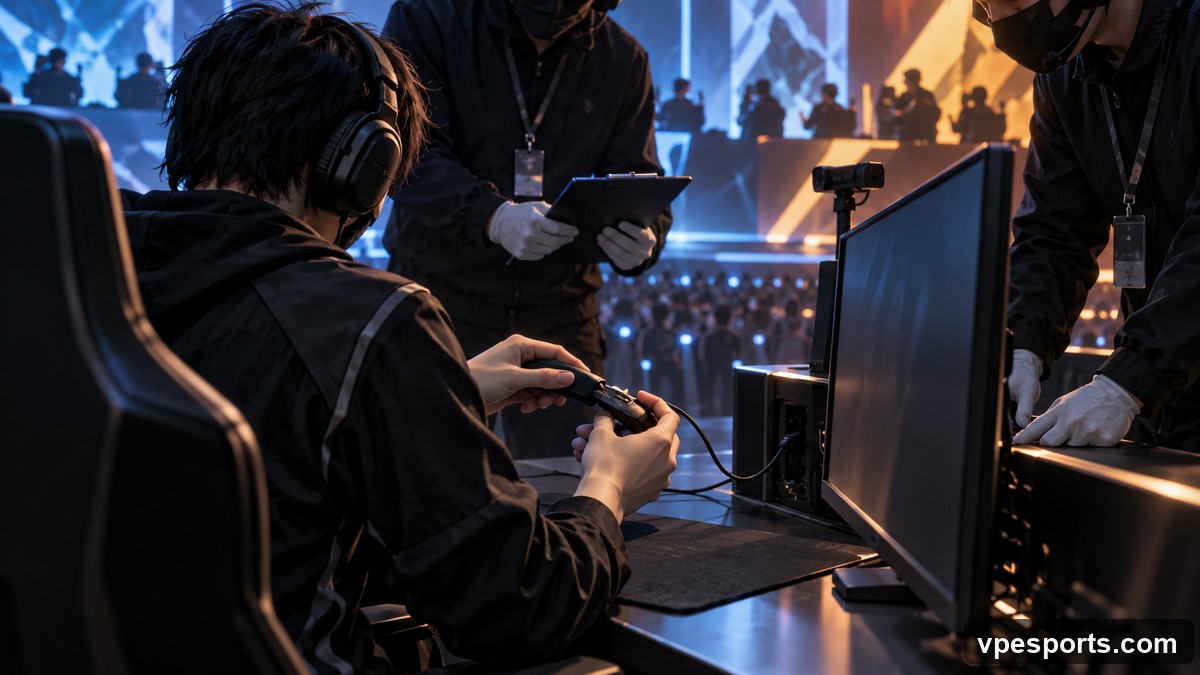
Riot’s wired-mouse rule addresses a confirmed source of wireless interference at Champions Shanghai. The decision follows repeated pauses and a reviewed round in which xeus could not fire. Until the underlying issue is fixed, removing the wireless connection is the clearest way to protect the remaining matches.